



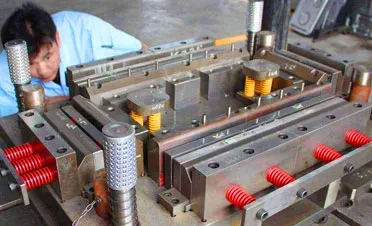

stamped plastic parts
stamped plastic parts
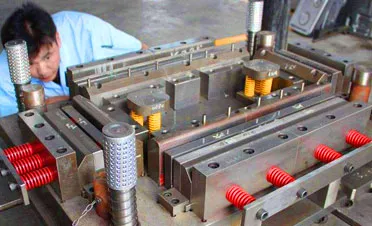
Stamping Plastic Parts Innovations in Manufacturing and Design In today’s manufacturing landscape, the quest for efficiency, precision, and versatility has led to the rapid evolution of various processing techniques. One such method that has gained significant traction is the stamping of plastic parts. This process combines the strengths of traditional metal stamping with advancements in plastic material technology, resulting in high-quality components that meet the demands of various industries. Understanding Plastic Stamping Plastic stamping is a manufacturing process used to shape and cut plastic materials into desired forms using dies and presses. This technique is analogous to metal stamping, where sheets of metal are shaped and cut. However, in plastic stamping, thermoplastics or thermosetting plastics are employed, which can be molded under heat and pressure into intricate forms. The process begins with the creation of a die, which is a specialized tool designed to produce a specific shape. Once the die is prepared, plastic sheets or rolls are fed into the stamping machine. The machine applies pressure through the die, which shapes the plastic into the intended part. This method allows for high-volume production while maintaining tight tolerances and repeatability, making it an attractive option for manufacturers. Advantages of Plastic Stamping The benefits of stamping plastic parts are numerous. Firstly, the process is highly efficient. With automated systems, manufacturers can achieve high output rates, significantly reducing production times. This speed makes plastic stamping ideal for industries that require large quantities of parts in a short timeframe, such as automotive, electronics, and consumer goods. Secondly, precision is a hallmark of plastic stamping. The use of high-quality dies ensures that each stamped part adheres to strict specifications, providing consistency across all units produced. This reliability is crucial in industries where even minor deviations can lead to product failures. stamping plastic parts Another key advantage is the versatility of plastic materials. With a wide array of plastics available, manufacturers can select materials that best meet the specific needs of their applications. For instance, companies can choose from options like ABS for its toughness, polycarbonate for transparency, or nylon for its durability. This flexibility allows for the creation of parts that not only function well but also cater to aesthetic requirements. Applications Across Industries Plastic stamping is utilized in a myriad of applications across diverse sectors. In the automotive industry, for example, stamped plastic parts are used for dashboards, trim components, and covers, helping to reduce weight and enhance fuel efficiency. The electronics sector also benefits greatly, with stamped plastic housing and connectors that offer both protection and functionality for sensitive components. Moreover, in the medical field, stamped plastic parts are increasingly popular for producing devices and components used in diagnostics and treatment. The ability to maintain high standards of hygiene and precision in production makes plastic stamping a preferred choice for manufacturers of medical equipment. Sustainability Considerations As the world moves towards more sustainable practices, the plastic stamping industry is also evolving. Manufacturers are increasingly looking to use recycled plastics and bio-based materials, addressing environmental concerns while maintaining quality. Innovations in material science are enabling the development of plastics that not only reduce waste but also meet stringent performance standards. Conclusion In conclusion, stamping plastic parts represents a dynamic intersection of technology and manufacturing that is transforming how products are made. With its impressive advantages in efficiency, precision, and versatility, plastic stamping is set to play a pivotal role in future manufacturing processes. As industries continue to innovate and adapt, the potential applications for stamped plastic components are limitless, promising exciting developments for both manufacturers and consumers alike.
-
 2026-06-17 15:26Tubi in ghisa di sabbia caratteristiche e applicazioni nel settore industrialeTubazioni in Ghisa Sferoidale Un'Analisi Approfondita La ghisa sferoidale, nota anche come ghisa ductile, è un materiale ampiamente utilizzato nella costruzione di tubazioni, in particolare per la distribuzione di acqua e il drenaggio. Questo tipo di ghisa è caratterizzato da una microstruttura unica che conferisce alla materia proprietà meccaniche superiori rispetto alla ghisa grigia tradizionale
 -
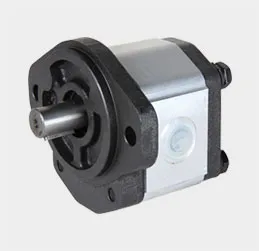 2026-06-17 14:23Εταιρείες χύτευσης αλουμινίουΕταιρείες Αλουμινίου Αρθρωτής Χύτευσης Μια Εξέταση της Βιομηχανίας Η αρθρωτή χύτευση αλουμινίου αποτελεί μία από τις πιο προηγμένες τεχνικές χύτευσης που χρησιμοποιούνται στη σύγχρονη βιομηχανία. Αυτή η μέθοδος επιτρέπει την παραγωγή εξαιρετικά ακριβών και λεπτομερών μεταλλικών εξαρτημάτων, και οι εταιρείες που ασχολούνται με αυτή είναι καθοριστικές για την εξέλιξη πολλών τομέων, όπως η αυτοκινητο
 -
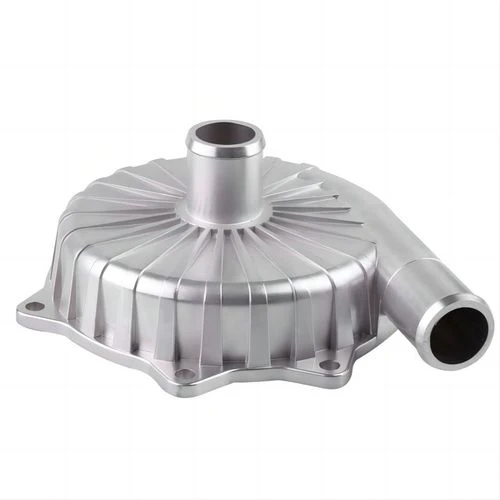 2026-06-17 14:16Литье из алюминиевого пескаАлюминиевые песчаные литья особенности, преимущества и применение Алюминиевые песчаные литья являются важным аспектом производственного процесса во многих отраслях промышленности. Этот метод литья стал популярным благодаря своей универсальности и способности производить детали с высокой точностью и качеством. В данной статье мы рассмотрим особенности алюминиевых песчаных литьев, их преимущества и
 -
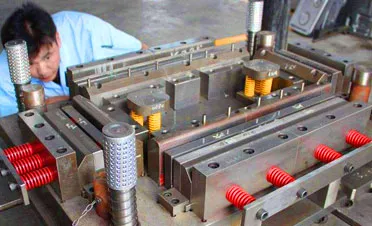 2026-06-17 14:07titanium die castingThe Advantages and Applications of Titanium Die Casting Titanium, often referred to as the strongest and lightest metal, has carved a niche for itself in various industrial applications. Among the myriad processes suitable for shaping metals, die casting stands out as one of the most efficient and effective methods for producing complex and precise components. Titanium die casting combines the not
 -
 2026-06-17 13:12Understanding the Benefits and Applications of Alloy Die Casting in Manufacturing ProcessesUnderstanding Alloy Die Casting A Comprehensive Overview Alloy die casting is a widely utilized manufacturing process that allows for the production of complex metal parts. This technique is particularly popular in industries that demand high precision and durability, such as automotive, aerospace, electronics, and general manufacturing. In this article, we will explore the intricacies of alloy di